
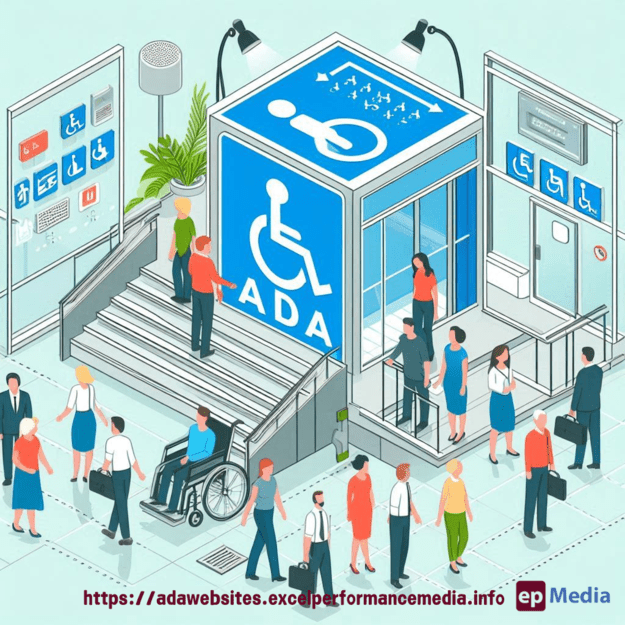
Ever wondered what it really takes to make your website accessible to everyone, including those with motor disabilities? You’re not alone. Many of us struggle to get a clear picture of what’s involved in achieving Section 508 Compliance Certification when it comes to design. The truth? It’s not as daunting as it sounds, but there are some crucial details you can’t afford to overlook.
So, let’s break it down. If you’re aiming to make your digital content accessible to all – including folks with motor impairments – and get that shiny Section 508 Compliance Certification, then this guide is for you.
What Is Section 508 Compliance Certification?
Section 508 is all about ensuring that technology is accessible to everyone, particularly people with disabilities. When you’re gunning for that Section 508 Compliance Certification, you’re basically proving that your website or digital product meets specific accessibility standards.
But here’s the kicker – just ticking off a checklist isn’t enough. You’ve got to think about how real people with motor disabilities will interact with your site. It’s about creating an experience that’s not just usable but genuinely user-friendly.
Why Motor Disabilities Matter in Web Design
When we talk about motor disabilities, we’re referring to impairments that affect someone’s ability to move, control, or coordinate their muscles. This could range from tremors and paralysis to arthritis and repetitive strain injuries.
These conditions can make it tough to navigate websites if they’re not designed with ADA compliance for websites in mind.
But don’t sweat it. I’ll walk you through the practical steps to design with motor disabilities in mind and ace your Section 508 Certification.
Key Design Considerations for Motor Disabilities
Here’s where we dive into the nitty-gritty. If you want your website to pass the Section 508 test with flying colours, keep these design tips in mind:
- Keyboard Accessibility: Ensure that all functionalities on your site are accessible via keyboard alone. This is crucial for users who can’t use a mouse.
- Focus Indicators: Make sure that interactive elements like buttons, forms, and links have clear focus indicators. Users should easily see which element they’re on while tabbing through your site.
- Avoid Time Limits: Don’t impose strict time limits on interactions. Some users need extra time to complete tasks, so be generous with timing or offer easy extensions.
- Click Areas: Increase the size of clickable areas. Bigger buttons and links reduce the precision needed to interact, making it easier for those with motor impairments.
- Consistent Navigation: Keep navigation simple and predictable. Repeated tasks should have consistent controls and locations across your site.
Think of it like this – if your website is a road, these features are the ramps, handrails, and clear signage that make it navigable for everyone.
Getting the Section 508 Compliance Certification
Alright, you’ve got the basics down, but how do you actually get certified?
Here’s a quick rundown:
- Audit Your Site: Start by running an accessibility audit. Tools like WAVE and Axe can help you spot issues.
- Fix Accessibility Issues: Prioritise issues that directly affect motor-impaired users. Addressing keyboard traps, focus states, and form interactions should be top of the list.
- Test with Real Users: Whenever possible, test your site with users who have motor disabilities. Their feedback is invaluable.
- Document Your Efforts: Keep a detailed record of your accessibility fixes. This documentation is crucial when you apply for certification.
- Apply for Certification: Finally, reach out to a certified third-party assessor to review your site and issue the Section 508 Compliance Certification.
It’s a journey, but once you’re certified, you’ll not only be compliant, but your site will also be accessible to a broader audience.
FAQ
What is Section 508 Compliance Certification?
Section 508 Compliance Certification is a formal process that confirms your website or digital content meets the accessibility standards outlined in Section 508 of the Rehabilitation Act.
Why is keyboard accessibility so important?
Keyboard accessibility is crucial because many users with motor disabilities rely on keyboards or other assistive devices to navigate websites. If your site isn’t fully keyboard-accessible, these users may not be able to use it effectively.
Can I handle Section 508 compliance on my own?
You can start the process yourself by following best practices and using online tools to audit your site. However, for certification, it’s best to involve a third-party assessor who specialises in accessibility.
How often should I update my website to maintain compliance?
Accessibility is an ongoing process. Regular updates and audits are recommended, especially after significant changes to your website or content.
Final Thoughts
Getting your Section 508 Compliance Certification isn’t just about meeting legal requirements. It’s about doing the right thing by making your content accessible to everyone, regardless of their abilities. Keep these tips in mind, consider hiring our ADA compliance website services and you’ll be well on your way to creating a more inclusive web experience.
And remember – designing for accessibility isn’t just a box to tick. It’s a mindset. So, start small, keep iterating, and make your website a place where everyone can feel at home.
https://adawebsites.excelperformancemedia.info/accessible-design-principles/