Ensuring Websites and ADA Compliance in Academia
Ever tried to navigate a university website and felt like you needed a PhD just to find the library hours?
Now imagine doing that with a disability.
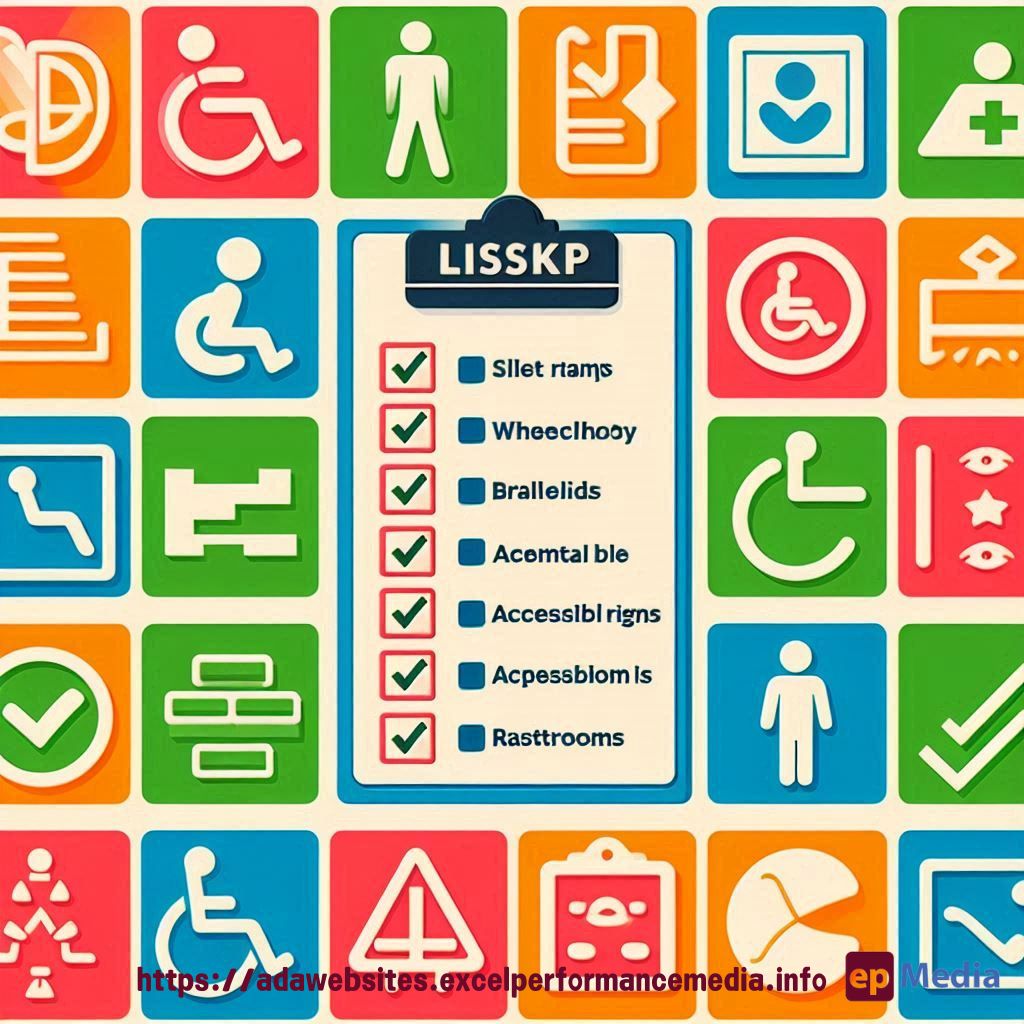
Welcome to the world of ADA compliance in higher education. Higher education websites are public accommodations under the Americans with Disabilities Act (ADA), and therefore must meet its accessibility requirements. This means designing and developing them so as to be accessible for individuals using assistive technologies like screen readers, braille displays and keyboard-only navigation.
Let’s dive into why it matters and how to get it right.
Why Higher Ed Websites Need to Step Up
Here’s the deal:
- Universities serve diverse populations
- Online learning is booming
- ADA compliance isn’t optional – it’s the law
Ignoring accessibility in higher ed is like building a campus with no ramps. It’s not just wrong – it’s asking for trouble. Higher education websites must adhere to certain accessibility standards in order to be compliant with ADA, such as:
- Generating alternative text for images and graphics
- Utilizing clear and consistent navigation and layout
- Generating closed captions for audio/video content Its
- Assuring all content can be reached using keyboard-only navigation
- Utilizing high contrast colors and clear font sizes
- Making sure all interactive elements, such as buttons and links, are easily accessible using keyboard-only navigation
The Basics: What You Need to Know
ADA compliance for websites let’s break it down: Higher education websites can take several steps to ensure ADA compliance, including:
- Accessible course materials
- Easy-to-navigate admissions pages
- Accessible student portals
- Captioned videos and transcripts
Think of it like building a universal campus. Everyone should be able to access everything. But wait, the list goes on:
- Conducting an accessibility audit to identify areas of noncompliance
- Offering alternative text for images and graphics
- Employing clear navigation and layout
- Supply closed captions for audio and video content.
- Ensuring all content can be easily accessed with keyboard-only navigation
- Offering high contrast colors and clear font sizes
- Making interactive elements, such as buttons and links, accessible with keyboard-only navigation
Course Materials: The Heart of Accessibility
This is crucial:
- Make PDFs screen reader-friendly
- Provide alt text for images in slides
- Offer transcripts for audio lectures
- Ensure online textbooks are accessible
Imagine trying to read a textbook in a language you don’t understand. That’s what inaccessible course materials feel like.
Admissions: Opening Doors for Everyone
First impressions matter:
- Make application forms accessible
- Provide alternative formats for brochures
- Ensure virtual tours are accessible
- Make financial aid info easy to find and understand
It’s like having a friendly admissions officer guiding everyone through the process. No barriers, just open doors.
Student Portals: The Digital Campus
These are critical:
- Ensure login pages are keyboard-friendly
- Make course registration accessible
- Provide accessible grade viewing
- Ensure discussion forums work with screen readers
Imagine being locked out of your dorm. That’s what an inaccessible student portal feels like.
Online Learning: The New Frontier
This is huge:
- Make sure video lectures are captioned
- Provide accessible quiz and test platforms
- Ensure all interactive elements are keyboard-accessible
- Offer alternative formats for all materials
It’s like building a virtual classroom. Everyone needs a seat at the table.
Here are some tools you may find beneficial:
Higher education websites can also use accessibility tools and resources to ensure ADA compliance, such as:
- Accessibility testing tools such as WAVE and Lighthouse
- Guidelines and standards, such as the Web Content Accessibility Guidelines (WCAG)
- Training resources such as the ADA National Network and World Wide Web Consortium (W3C).
Testing and Feedback: Always Improving
Don’t skip this:
- Regularly audit your site
- Get feedback from students with disabilities
- Test with various assistive technologies
- Stay updated on ADA guidelines
It’s like continuous learning – which is what higher education is all about, right?
FAQs
Q: Do all parts of a university website need to be ADA compliant?
A: Yes, from the homepage to the most obscure research paper database.
Q: Can we use an overlay tool for quick compliance?
A: Overlays aren’t a complete solution. They might help, but they don’t guarantee full compliance.
Q: How often should we audit our higher ed website?
A: At least annually, but ideally with each major update or new feature launch.
Q: Are third-party tools (like payment systems) our responsibility?
A: Yes, if they’re part of your website experience, you need to ensure they’re accessible.
Q: Can improving accessibility actually benefit all students?
A: Absolutely. Clear navigation and well-structured content help everyone.
Remember, when it comes to websites and ADA compliance, higher education has a unique responsibility.
It’s not just about avoiding lawsuits. It’s about living up to the promise of education for all.
Are you ready to make your higher education website truly accessible to every eager mind out there? Our ADA compliance website services are ready for you.
https://adawebsites.excelperformancemedia.info/ada-compliance-for-websites/