
Designing For Web Accessibility: Legal Cases That Changed the Game
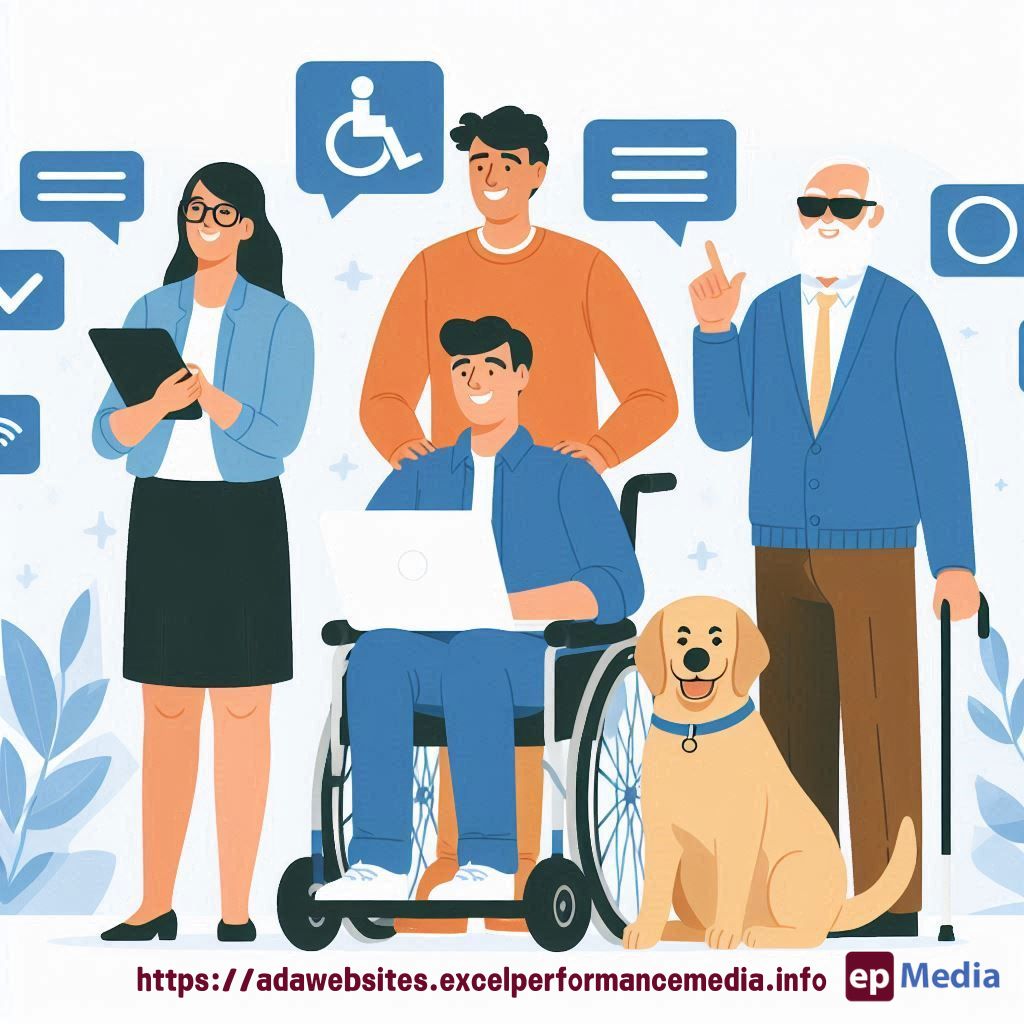
Ever wondered why web accessibility is such a big deal these days?
It’s not just about being nice. It’s about staying out of legal hot water.
Designing for web accessibility has become a crucial part of the digital landscape.
Let me break it down for you.
The Wake-Up Call: Landmark Cases
Remember when we thought accessibility was just a nice-to-have?
Those days are long gone.
Here are some cases that shook things up:
- Target vs. National Federation of the Blind (2006)
- Domino’s Pizza vs. Guillermo Robles (2019)
- Beyoncé’s Parkwood Entertainment vs. Mary Conner (2019)
These weren’t just slaps on the wrist. They were game-changers.
What These Cases Taught Us
The Target case? It showed us that websites are “places of public accommodation.”
Domino’s? It proved that the Americans with Disabilities Act applies to apps and websites.
And Beyoncé’s case? It reminded us that even superstars aren’t above the law when it comes to accessibility.
The Ripple Effect
These cases didn’t just affect the companies involved.
They sent shockwaves through the entire digital world.
Suddenly, everyone was scrambling to make their sites accessible.
Why? Because nobody wanted to be the next legal cautionary tale.
What It Means for You
If you’re running a website, you need to pay attention.
Accessibility isn’t optional anymore. It’s a legal necessity.
But don’t panic. ADA compliance for websites is not as scary as it sounds.
Here’s what you need to focus on:
- Clear, readable content
- Proper heading structure
- Alt text for images
- Keyboard navigation
- Colour contrast
Get these basics right, and you’re already ahead of the game.
The Silver Lining
Here’s the thing: designing for web accessibility isn’t just about avoiding lawsuits.
It’s about opening your doors to everyone.
And guess what? That’s good for business.
More users = more potential customers. It’s that simple.
Looking Ahead
The legal landscape around web accessibility is still evolving.
But one thing’s for sure: it’s not going away.
So, whether you’re a big corporation or a small blog, it’s time to take accessibility seriously.
FAQ
Do these legal cases apply worldwide?
While most landmark cases have been in the US, they’ve influenced policies globally. Many countries have their own accessibility laws.
What’s the minimum I need to do to be compliant?
Start with WCAG 2.1 Level AA compliance. It covers most bases and is widely recognised.
Can I be sued if my website isn’t accessible?
Potentially, yes. It’s better to be proactive than risk legal action.
Is there a quick fix for accessibility?
There’s no magic bullet, but automated tools and our ADA compliance website services can help identify issues. However, human testing is crucial for true accessibility.
Designing for web accessibility isn’t just a legal requirement. It’s about creating a web that works for everyone.
And isn’t that what the internet was supposed to be about in the first place?
https://adawebsites.excelperformancemedia.info/legal-requirements-for-web-accessibility/