Website Accessibility Testing Tools: Legal Resources You Need to Know
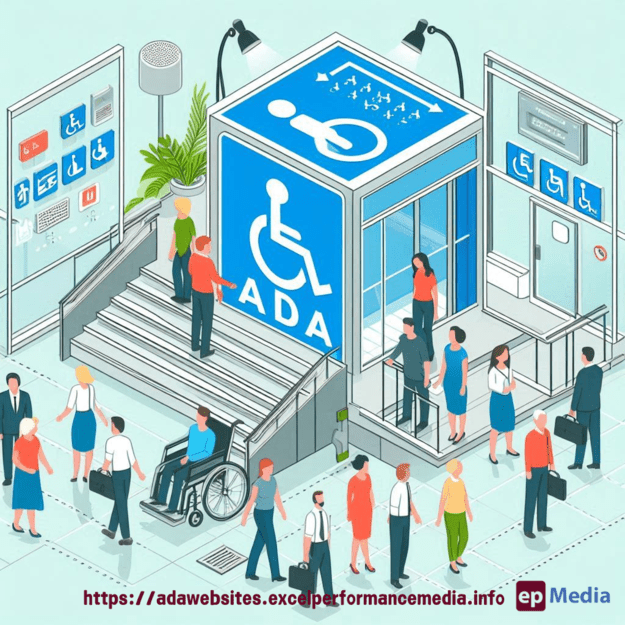
Ever wondered if your site’s accessible to everyone?
ADA compliance for websites is not just about being nice. It’s the law.
Let’s chat about website accessibility testing tools and the legal side of things.
Why Accessibility Matters
Think about it. Everyone should be able to use your website, right?
That includes people with:
- Visual impairments
- Hearing difficulties
- Motor challenges
- Cognitive issues
It’s not just good karma. It’s good business.
The Legal Landscape
Here’s the deal: accessibility isn’t optional.
In the UK, we’ve got the Equality Act 2010.
It says websites need to be accessible. Period.
Tools to Save Your Bacon
Now, let’s talk website accessibility testing tools.
These bad boys can help you stay legal and inclusive:
- WAVE
- axe
- Lighthouse
- NVDA
- Color Contrast Analyzer
WAVE: Your New Best Friend
WAVE’s like that mate who always has your back.
It scans your site and points out accessibility issues.
Easy to use. Free. What’s not to love?
axe: The Sharp Tool in Your Kit
axe is a developer’s dream.
It integrates with your workflow, catching issues early.
Save time. Save money. Win-win.
Lighthouse: Google’s Gift to Developers
Built into Chrome DevTools, Lighthouse is a powerhouse.
It doesn’t just check accessibility. It looks at performance too.
Two birds, one stone.
NVDA: Walk in Someone Else’s Shoes
NVDA is a screen reader.
It lets you experience your site like someone with visual impairments would.
Eye-opening stuff.
Color Contrast Analyzer: The Detail Devil
Colors matter more than you think.
This tool makes sure your site’s readable for everyone.
No more squinting at the screen.
Legal Resources to Back You Up
Knowledge is power, right?
Check out these resources:
- Web Content Accessibility Guidelines (WCAG)
- Equality and Human Rights Commission
- AbilityNet
They’ll keep you on the straight and narrow.
FAQ
Do I really need to make my website accessible?
Yes, you do. It’s not just ethical, it’s a legal requirement in the UK under the Equality Act 2010.
How often should I test my website for accessibility?
Regularly. Ideally, after any major updates or at least quarterly.
What happens if my website isn’t accessible?
You could face legal action, damage to your reputation, and loss of potential customers.
Are free tools enough for accessibility testing?
They’re a great start, but for comprehensive testing, consider professional audits too.
Can I fix accessibility issues myself?
Some, yes. But for complex issues, you might need a web developer or accessibility expert just like our ADA compliance website services.
Website accessibility testing tools are your secret weapon.
They help you stay legal, inclusive, and ahead of the game.
Don’t sleep on this. Your users (and lawyers) will thank you.
https://adawebsites.excelperformancemedia.info/legal-requirements-for-web-accessibility/