
Nailing Section 508 Compliance Testing
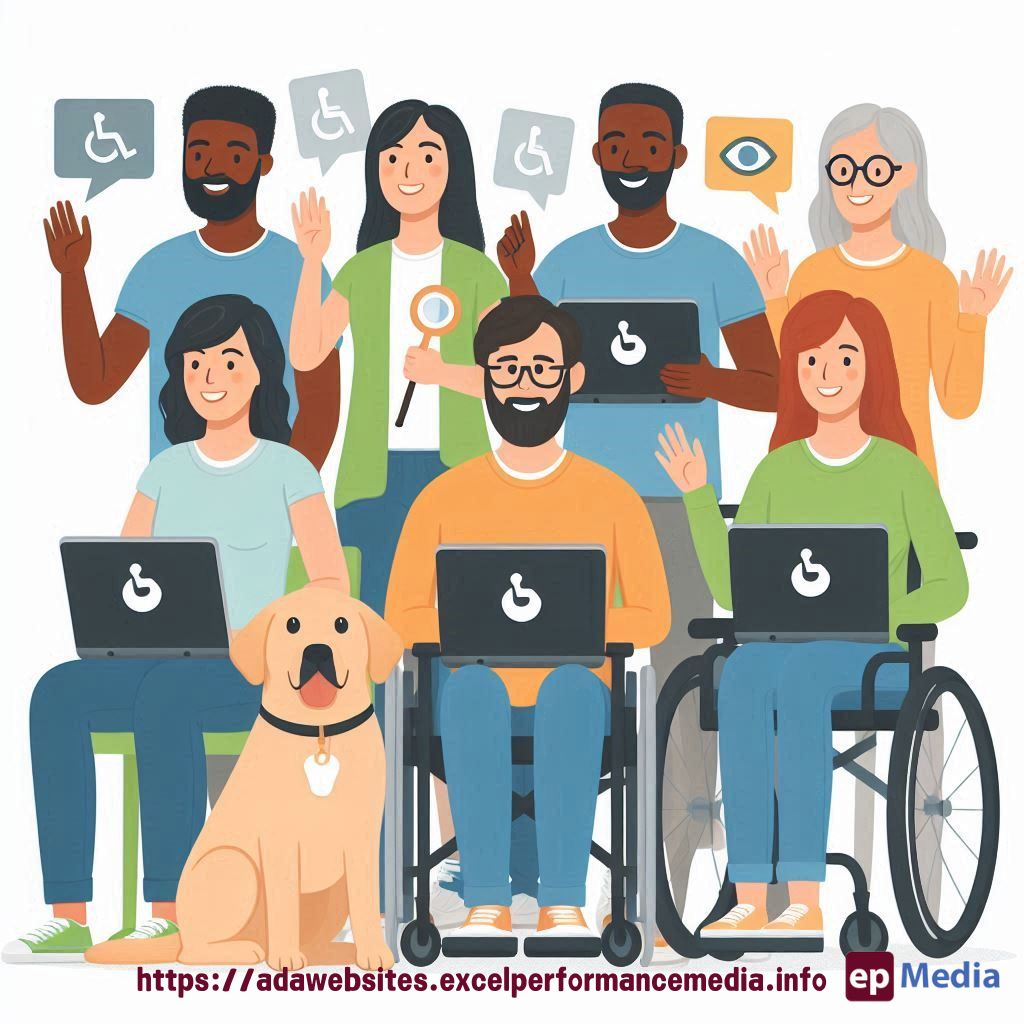
Ever wondered how to make your mobile app work for everyone, including folks with cognitive disabilities? Section 508 compliance testing is the key.
Let’s dive into this crucial topic and break it down, Hormozi-style.
Why Should You Care About Section 508 Compliance Testing?
Look, here’s the deal:
If your mobile app isn’t accessible, you’re leaving money on the table.
Ignoring Section 508 compliance? That’s like turning away customers at your store’s door.
Understanding Cognitive Disabilities in the Mobile World
Cognitive disabilities aren’t just one thing. They’re a whole spectrum:
- Memory issues
- Problem-solving challenges
- Attention deficits
- Reading, linguistic, and verbal comprehension difficulties
- Math comprehension problems
- Visual comprehension troubles
Your app needs to cater to all of these. Just like with ADA compliance for websites for apps it is not just nice to have – it’s essential.
Mobile Accessibility Features for Cognitive Disabilities
Here’s what you need to nail:
- Simple, clear layouts
- Consistent navigation
- Adjustable text sizes
- Color contrast options
- Screen reader compatibility
- Voice control features
It’s not rocket science, but it makes a world of difference.
Section 508 Compliance Testing: The Nitty-Gritty
Now, let’s talk about actually testing for Section 508 compliance:
- Use automated testing tools (but don’t rely on them entirely)
- Conduct manual testing with various devices
- Get feedback from users with cognitive disabilities
- Check against WCAG 2.1 guidelines
- Test with different assistive technologies
Remember, compliance isn’t a one-and-done deal. It’s an ongoing process.
Common Pitfalls in Mobile Accessibility
Avoid these mistakes:
- Overcomplicated interfaces
- Relying solely on color for information
- Ignoring keyboard navigation
- Using small, unreadable fonts
- Forgetting about alt text for images
These aren’t just annoying – they can make your app unusable for some folks.
The Business Case for Accessibility
Let’s talk cash.
Accessible apps:
- Reach a wider audience
- Boost customer loyalty
- Reduce legal risks
- Improve overall user experience
It’s not just about compliance – it’s about smart business.
FAQ
What exactly is Section 508?
It’s a law requiring federal agencies to make their electronic and information technology accessible to people with disabilities.
Does Section 508 apply to private companies?
Not directly, but it’s often used as a benchmark for accessibility standards.
How often should I test for Section 508 compliance?
Regularly, especially after major updates. Aim for at least quarterly checks.
Can I outsource Section 508 compliance testing?
Absolutely. There are specialized firms that can help, but don’t completely hand it off.
What’s the difference between WCAG and Section 508?
WCAG is a set of guidelines, while Section 508 is a law. They’re related but not identical.
Wrapping It Up
Mobile accessibility isn’t just about ticking boxes for Section 508 compliance testing.
It’s about opening doors, expanding your market, and doing the right thing.
Don’t sleep on this. Start making your mobile app accessible today. Or hire our ADA compliance website services.
Your users (and your bottom line) will thank you.
Remember, Section 508 compliance testing isn’t a burden – it’s an opportunity to excel.
https://adawebsites.excelperformancemedia.info/mobile-accessibility/