
Future Trends in Web Accessibility: Websites and ADA Compliance
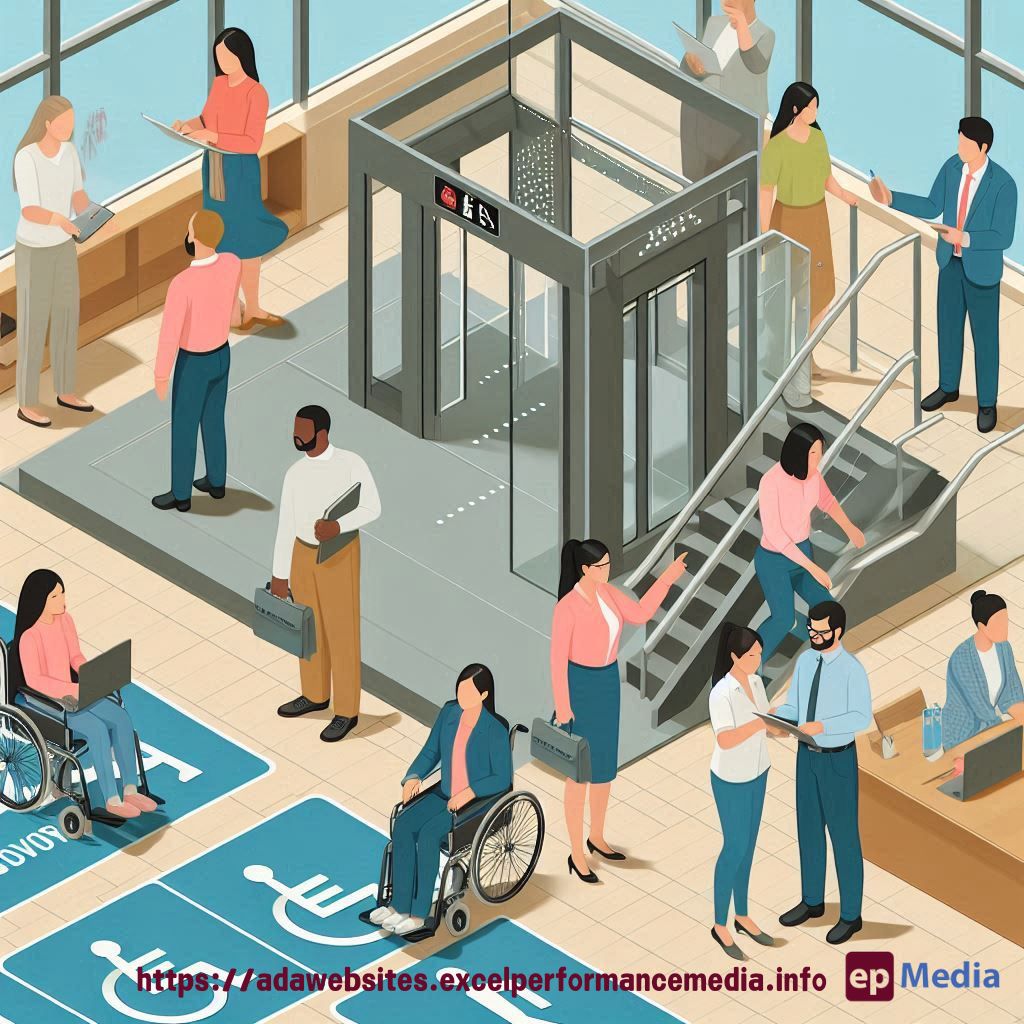
Ever wondered if your website is leaving some folks out in the cold?
You’re not alone. Lots of business owners are scratching their heads about web accessibility.
Let’s dive into what’s coming down the pike for websites and ADA compliance.
Why Should You Care?
Look, I get it. You’re busy running your business. But here’s the thing:
Ignoring web accessibility is like telling a chunk of your customers to take a hike.
Not cool, right?
Plus, ADA compliance for websites is not just about being nice. It’s about cold, hard cash.
The ADA Ain’t Going Anywhere
The Americans with Disabilities Act (ADA) has been around since 1990.
But it’s not some dusty old law. It’s evolving, and it’s got its eye on the digital world.
Here’s what you need to know:
- Courts are increasingly applying the ADA to websites
- Lawsuits are on the rise
- Big companies are getting hit with big fines
What’s Coming Next?
Alright, let’s peek into the crystal ball. Here’s what’s brewing:
AI-Powered Accessibility
Artificial Intelligence isn’t just for chatbots and self-driving cars.
It’s about to revolutionize web accessibility.
Imagine AI that:
- Automatically generates alt text for images
- Creates real-time captions for videos
- Adapts your website’s layout for different users
This stuff isn’t science fiction. It’s happening now.
Voice Commands Are Getting Smarter
“Hey Siri, find me a pizza place.”
Voice commands are old news, right?
Wrong.
The next wave is all about context and conversation.
Your website needs to be ready for users who navigate by voice alone. Voice User Interfaces (VUIs) have become increasingly prevalent with the rise of smart speakers and virtual assistants like Amazon Alexa, Google Assistant, and Apple Siri. Voice-activated websites and applications may provide users with visual or motor impairments with another means to interact with digital content; using voice controls will ensure an inclusive user experience for websites or applications integrating voice controls; eventually more seamless integration will likely take place to allow people to navigate websites using only their voices.
Personalized Accessibility
One size fits all? Not anymore.
The future is all about tailoring the experience to each user’s needs.
Think:
- Customizable color schemes for color-blind users
- Adjustable text sizes that remember user preferences
- Navigation options that adapt to how people use your site
Inclusive design practices are another significant trend. Inclusive design goes beyond meeting accessibility standards; instead it involves designing products and services so as many people can use them from the outset, encouraging innovation while improving user experiences overall. By taking into account user needs early on in the design process, designers and developers can craft more adaptable and flexible web experiences that serve everyone equally well.
How to Stay Ahead of the Game
Want to be a web accessibility rockstar? Here’s how:
1. Start with the basics. Make sure your site works with screen readers.
2. Keep an eye on AI tools. They’re evolving fast.
3. Test, test, test. Use real people with disabilities to check your site.
4. Stay updated. The rules are changing. Keep learning.
5. Think mobile. More people are accessing the web on phones than ever before.
The Bottom Line
Web accessibility isn’t just about compliance. It’s about reaching more customers.
It’s about building a better web for everyone. The future of web accessibility looks bright, with emerging technologies and trends providing new ways to increase accessibility and usability. AI, VUIs, VR/AR technology, inclusive design practices, changing legislation and enhanced user testing all promising to transform the digital landscape. By staying abreast of these trends developers and designers can create more accessible, innovative and user-friendly web experiences that benefit everyone involved.
And let’s be real: it’s about covering your ass legally.
So, are your websites ready for ADA compliance in the future?
FAQs
Q: Do all websites need to be ADA compliant?
A: While the law isn’t crystal clear, it’s safer to assume yes. Especially if you’re running a business website.
Q: How much does it cost to make a website accessible?
A: It varies. But think of it as an investment, not a cost. You’re opening doors to more customers.
Q: Can I just use an overlay tool to make my site accessible?
A: Overlays are a band-aid, not a cure. They might help a bit, but they’re not a complete solution.
Q: How often should I audit my website for accessibility?
A: At least once a year. But if you’re making big changes, check more often.
Q: What’s the first step in making my website more accessible?
A: Start with an audit. You may do that here: ADA compliance website services. Figure out where you’re at, then make a plan to improve.
Remember, web accessibility isn’t just about websites and ADA compliance. It’s about building a better, more inclusive digital world. Are you ready to be part of that future?