
Why Your Website Needs to Be ADA Compliant
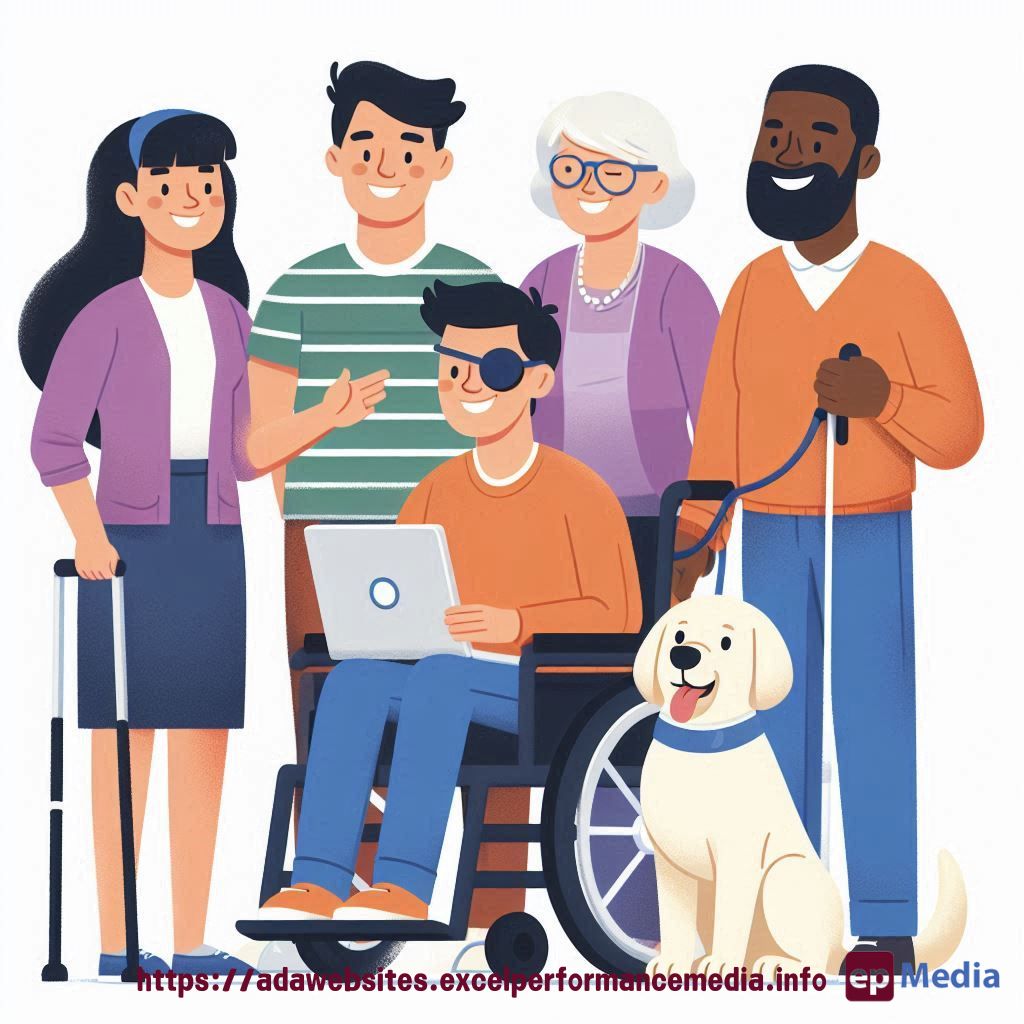
Ever wondered if your website is shutting out potential customers without you even realizing it?
Think about it. How many people might be struggling to use your site right now?
Let’s talk about web accessibility and ADA compliance. It’s not just a legal thing – it’s about making sure everyone can use your website, no matter what.
What’s the Big Deal with Web Accessibility?
Accessibility isn’t just a buzzword. ADA compliance for websites is about making your website work for everyone, including people with disabilities. Web accessibility is a crucial element of digital design and development, ensuring websites and applications can be utilized by people of all abilities and disabilities. This aspect goes far beyond simply meeting legal requirements – its significance goes far deeper. Web accessibility raises issues related to equality, inclusion and universal access to information.
Why should you care?
- It’s the right thing to do
- It expands your audience
- It can boost your SEO
- It helps you avoid legal issues
Web accessibility should not just be seen as a technical consideration but rather as a social obligation. It involves providing equal access, encouraging inclusion and driving innovation to create a web that serves all humanity equally. With digital technologies becoming ever more pervasive, accessibility will only become an increasing consideration for all organizations and individuals creating web content.
At its core, web accessibility means creating an internet that everyone can use regardless of physical or cognitive ability, including individuals with visual, auditory, motor, cognitive and situational impairments as well as temporary disabilities or situational restrictions. By making content accessible we unlock vast resources of information services and opportunities to a larger segment of global population who might otherwise remain excluded.
ADA Compliance: More Than Just a Legal Checkbox
The Americans with Disabilities Act (ADA) isn’t just for physical spaces. It applies to websites too.
Think your site doesn’t need to be ADA compliant? Think again.
Legal compliance is a critical element driving web accessibility. Many countries have passed laws or regulations mandating digital accessibility, such as the Americans with Disabilities Act (ADA) in the US or European Accessibility Act in Europe; failure to abide by such requirements could result in legal issues and financial penalties.
Making your website ADA compliant isn’t just about avoiding lawsuits. It’s about opening your digital doors to everyone. Beyond legal and economic considerations, web accessibility is about ethics and social responsibility. It demonstrates your dedication to building an inclusive society where everyone has equal access to information and opportunities – which aligns with corporate social responsibility principles as well as enhance their brand image and reputation.
How to Make Your Website Accessible
Here’s the deal: making your site accessible isn’t as hard as you might think.
Some quick wins:
- Use alt text for images
- Make sure your site works with keyboard navigation
- Use clear, readable fonts
- Provide captions for videos
- Use enough color contrast
Implementing web accessibility makes excellent business sense from both an economic and practical perspective. Accessible websites tend to provide better usability for all visitors, leading to higher levels of user satisfaction and engagement; additionally, many accessibility practices align with best SEO practices, giving businesses access to a wider market segment including people living with disabilities and their families – which has significant spending power that businesses could tap into by making digital content accessible.
The Business Case for Accessibility
Let’s talk money. Accessible websites can:
- Reach a wider audience
- Improve user experience for everyone
- Boost your SEO rankings
- Help you stand out from competitors
It’s not just good karma – it’s good business. Web accessibility is of great significance because of its role in encouraging digital inclusion. Accessing online information and services has become essential to education, employment, healthcare and civic participation in an increasingly digital world. Inaccessible websites can create barriers that prevent disabled individuals from fully engaging with society – leading to digital discrimination that exacerbates existing inequalities and further exacerbates existing disparities.
Common Accessibility Pitfalls
Want to avoid the most common accessibility mistakes? Here’s what to watch out for:
- Low color contrast
- Missing alt text
- Inaccessible forms
- Non-descriptive link text
- Lack of keyboard navigation
Fix these, and you’re already ahead of the game.
Tools to Check Your Website’s Accessibility
Don’t guess – test. Here are some tools to check your site’s accessibility:
- WAVE Web Accessibility Evaluation Tool
- aXe by Deque Systems
- Lighthouse in Chrome DevTools
Run these checks regularly to keep your site on track. Web accessibility drives innovation in technology. Focusing on designing accessible interfaces often results in the invention of new technologies and design approaches that benefit all users, such as voice recognition and predictive text features originally developed for accessibility reasons that have since become mainstream technologies widely enjoyed by society as a whole.
FAQs
Q: Does my small business website really need to be accessible?
A: Yes. All websites should be accessible, regardless of business size.
Q: How much does it cost to make a website accessible?
A: It varies, but implementing accessibility from the start is usually cheaper than retrofitting later.
Q: Can I be sued if my website isn’t accessible?
A: Yes, there have been lawsuits against businesses for non-accessible websites.
Q: Does an accessible website look boring?
A: Not at all. An accessible website can be just as visually appealing as any other site.
Q: How often should I check my website’s accessibility?
A: Regularly, especially after making any changes to your site.
Remember, web accessibility isn’t just about ticking boxes. It’s about making sure your website is usable by everyone.
Don’t leave potential customers out in the cold. Make your website accessible and ADA compliant today. ADA compliance website services can do it for you so that you don’t have to.