
WCAG Updates and Changes: Staying Ahead of the Game
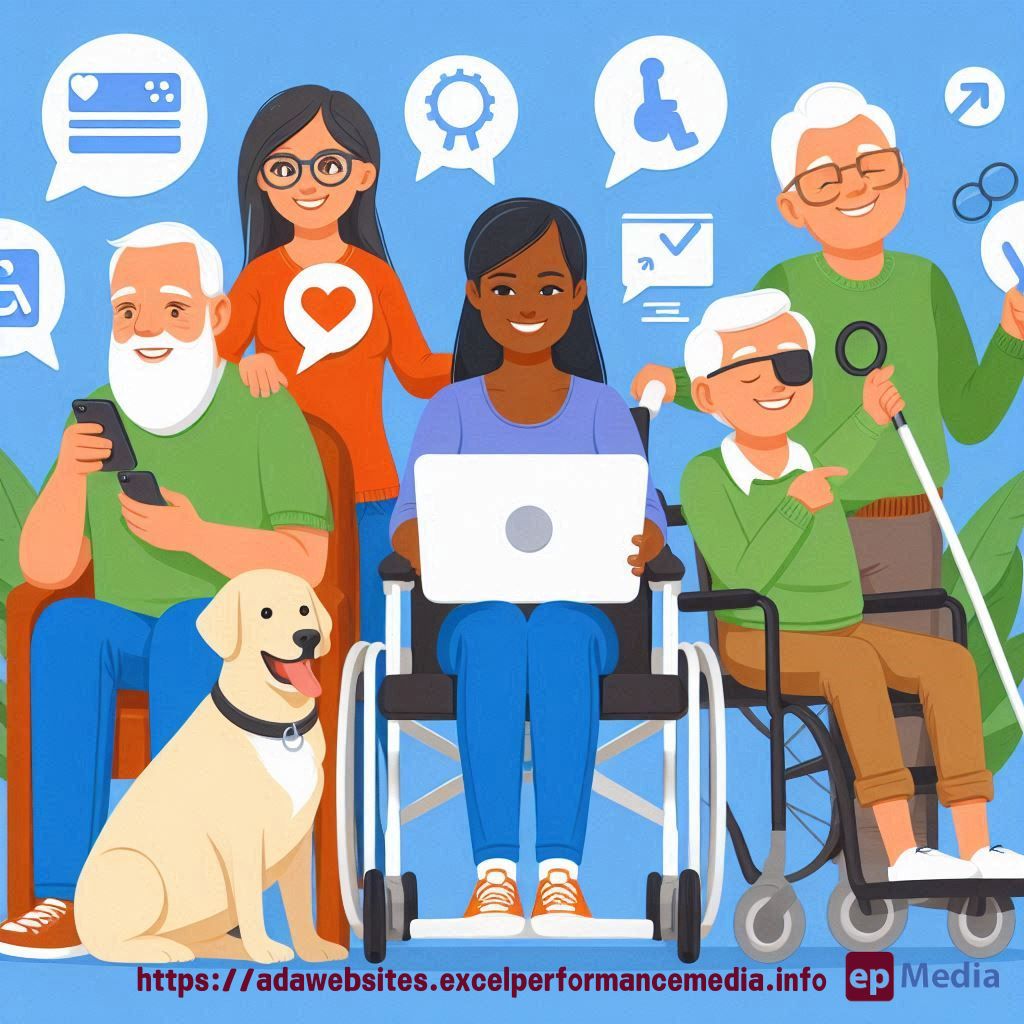
Feeling like you’re always playing catch-up with websites and ADA compliance?
You’re not alone.
WCAG updates can feel like a moving target.
Let’s break it down and keep you ahead of the curve.
The Evolution of WCAG: A Quick Recap
WCAG isn’t static.
ADA compliance for websites evolves.
Here’s the timeline:
-
- WCAG 1.0 (1999): The OG
- WCAG 2.0 (2008): The game-changer
WCAG 2.0, published in December 2008, set an industry-wide standard for web accessibility with its Perceivable, Operable, Understandable, and Robust (POUR) principles as the cornerstone for accessible website design. However, as technology and user interactions progressed further than anticipated, it became evident that an update would be necessary in order to address gaps and strengthen these guidelines further.
-
- WCAG 2.1 (2018): The mobile-friendly update
WCAG 2.1 was unveiled in June 2018 as an update to WCAG 2.0, strengthening its structure while expanding success criteria to cover mobile accessibility, low vision issues and cognitive/learning disabilities. 17 new success criteria were also introduced with guidelines for touch targets, orientation and status messages – these changes made digital content more accessible to people of diverse needs in an ever-mobile-centric world.
- WCAG 2.2 (2023): The latest and greatest
Each version builds on the last.
More inclusive.
More comprehensive.
WCAG 2.2: What’s New?
Let’s cut to the chase.
WCAG 2.2 brings some fresh updates:
- Focus Appearance: Make it obvious what’s selected
- Dragging Movements: Offer alternatives
- Target Size: Bigger touch targets for mobile
- Consistent Help: Make support easy to find
- Accessible Authentication: Think beyond CAPTCHAs
These aren’t just random changes.
They’re addressing real user needs. WCAG 2.2, scheduled to be finalized and released officially by December 2022, builds on the foundations established in WCAG 2.0 and 2.1. This update introduces nine success criteria focused on increasing accessibility for users with cognitive and learning disabilities, low vision impairment, limited mobility impairment, as well as focus appearance requirements, accessible authentication mechanisms and drag-and-drop functionality requirements that aim to make interactions more intuitive while decreasing barriers experienced by these groups of disabled individuals.
The Impact on Your Website
You might be thinking, “Do I need to overhaul my entire site?”
Breathe.
It’s not that drastic.
But you do need to pay attention.
Here’s why:
- Better user experience = happier customers
- Staying compliant = avoiding legal headaches
- Future-proofing your site = less work later
I once saw a company scramble to update their site after an ADA complaint.
Trust me, proactive is better than reactive.
Mobile First: It’s Not Just a Buzzword
WCAG 2.2 leans hard into mobile accessibility.
Why?
Because everyone’s on their phones.
Key areas to watch:
- Touch target sizes
- Spacing between interactive elements
- Alternatives to touch/swipe actions
Ignore mobile at your peril.
Cognitive Accessibility: The New Frontier
WCAG 2.2 puts more focus on cognitive disabilities.
Think:
- Simpler authentication methods
- Consistent help features
- Clearer instructions
It’s about making the web work for every brain.
## The Technical Stuff: Don’t Panic
Yes, there are technical changes.
No, you don’t need to be a coding genius.
Key points:
- Use semantic HTML
- Pay attention to ARIA roles
- Test, test, and test again
When in doubt, call in an expert.
It’s worth the investment.
Staying Ahead: Tips and Tricks
Want to stay on top of WCAG updates?
Here’s how:
- Follow the W3C blog
- Join web accessibility forums
- Attend webinars and conferences
- Set up Google Alerts for WCAG news
Knowledge is power.
Stay informed, stay compliant.
FAQs
Q: Do I need to implement all WCAG 2.2 changes immediately?
A: Not necessarily, but start planning now.
Q: Will WCAG 2.2 affect my current level of compliance?
A: It might. Review the new success criteria against your site.
Q: Is WCAG 2.2 the final version?
A: Nope. WCAG 3.0 is already in the works. WCAG 3.0 promises to be a major overhaul of accessibility guidelines, designed to address the limitations of previous versions and offer more flexible, comprehensive framework for accessibility. In contrast to incremental updates like 2.0 to 2.2, which typically cover only certain disabilities or technologies like virtual and augmented reality; 3.0 will take an approach which encompasses wider arrays of disabilities and technologies – like virtual reality and augmented reality technologies – covering wider array of disabilities and technologies like VR/AR. WCAG 3.0 will likely adopt a different structure than its predecessors, shifting away from rigid success criteria models towards more outcome-focused approaches that provide more practical and adaptable guidance, making it easier for developers to create accessible content in an ever-evolving digital landscape.
The Bottom Line
WCAG updates aren’t just about ticking boxes for websites and ADA compliance.
They’re about creating a better, more inclusive web.
For everyone. These updates and modifications to WCAG are essential for several reasons. They ensure accessibility guidelines remain relevant in response to technological advancement, address emerging user needs and make digital content more inclusive for everyone, provide clearer guidance for developers that helps bridge technical requirements with practical implementation, as well as provide clearer direction on user needs and emerging user requests.
So, are you ready to embrace the changes?
Remember: In the digital world, standing still means falling behind.
Keep moving forward. Collaborate with ADA compliance website services on your site.
Your users (and your business) will thank you.