
Websites and ADA Compliance: WCAG 2.0 vs WCAG 1.0 – What’s the Big Deal?
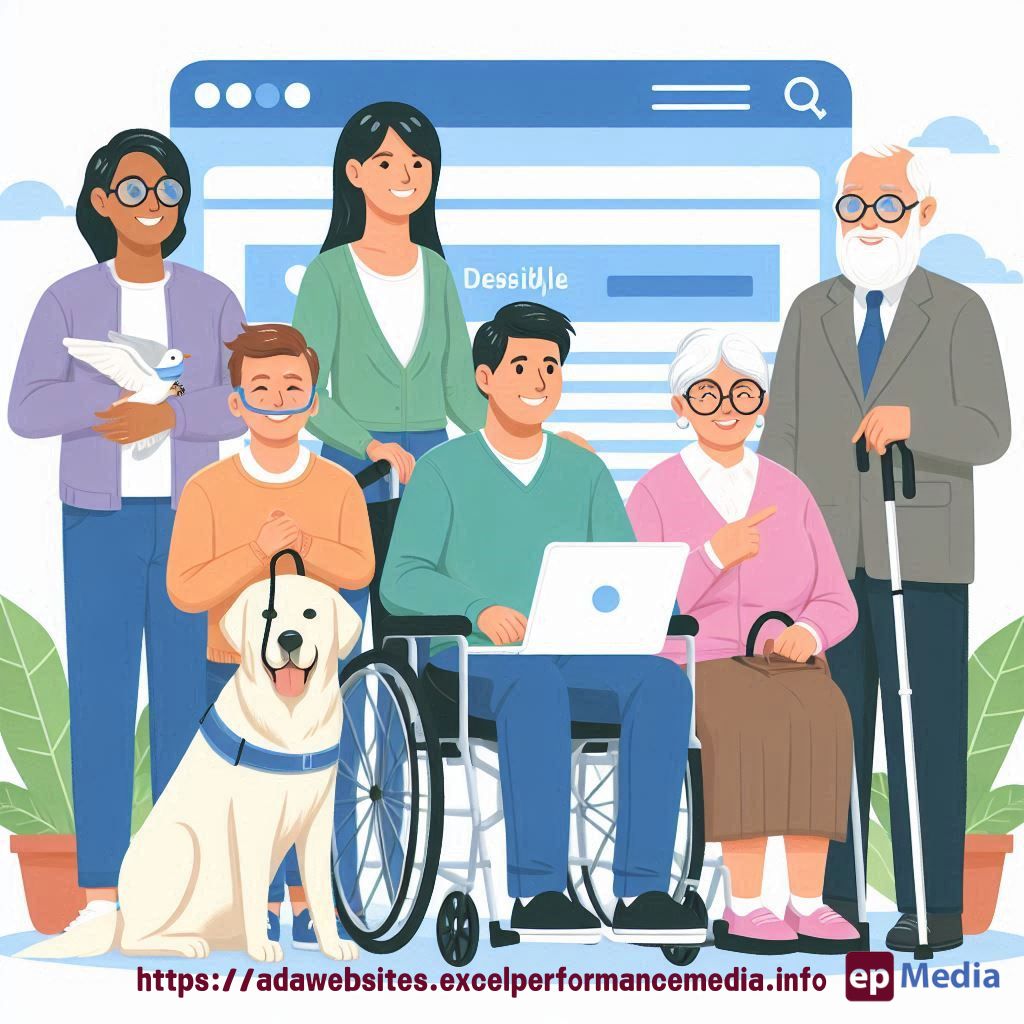
Ever wondered why we needed WCAG 2.0 when we already had WCAG 1.0?
Or maybe you’re scratching your head trying to figure out what changed?
Let’s break it down and see how it impacts websites and ADA compliance.
No tech jargon, just straight talk.
WCAG 1.0: The OG of Web Accessibility
WCAG 1.0 was an initial attempt at developing guidelines for web accessibility. The 14 guidelines it offered included checkpoints designed to assist web developers and designers in producing accessible web content. Although WCAG 1.0 represented an important step forward, there were certain limitations; such as its sole focus being HTML while neglecting other technologies like CSS, JavaScript, multimedia etc. Additionally, its vague nature often made testing accessibility features challenging.
WCAG 1.0 was like the first smartphone.
Groundbreaking at the time, but now? Not so much.
What was it about?
- 14 guidelines
- 65 checkpoints
- Focused on HTML
It was a good start, but the web outgrew it.
Like trying to run modern apps on a flip phone.
Enter WCAG 2.0: The Game Changer
WCAG 2.0 is like the latest iPhone.
Sleeker, smarter, and way more powerful.
What’s new?
- 4 principles
- 12 guidelines
- 61 success criteria
- Technology-neutral
It’s not just an upgrade. It’s a whole new ballgame.
Key Differences That Matter
Let’s break down the big changes:
1. Structure
WCAG 1.0 was a list of checkpoints.
WCAG 2.0 is built on principles.
It’s like moving from a to-do list to a philosophy.
2. Technology Independence
WCAG 1.0 was all about HTML.
WCAG 2.0 works for any web tech.
It’s future-proof. No more updates every time a new language drops.
3. Testability
WCAG 1.0 was vague.
WCAG 2.0 has clear, testable success criteria.
It’s like moving from “cook until done” to “bake at 350°F for 20 minutes”.
4. Levels of Conformance
WCAG 1.0 had priority levels.
WCAG 2.0 has conformance levels: A, AA, AAA.
It’s clearer what you need to do to be compliant.
Why This Matters for ADA Compliance
Here’s the deal:
WCAG 2.0 is now the gold standard for websites and ADA compliance.
WCAG 2.0 represents an impressive advancement over its predecessor. It provides a more flexible framework for web accessibility that addresses any of WCAG 1.0’s shortcomings, providing more comprehensive and inclusive web accessibility coverage. Here are some key differences:
Technology-agnostic
WCAG 2.0 is technology agnostic, meaning that it applies equally across all web technologies such as HTML, CSS, JavaScript, multimedia etc.
Principle-Based:
WCAG 2.0 is organized around four core principles – Perceivable, Operable, Understandable and Robust. These provide a more inclusive framework for accessibility encompassing aspects such as usability, navigation and compatibility.
Testable success criteria:
WCAG 2.0 introduces testable success criteria as a clear and objective way of measuring accessibility, making implementation and testing of accessibility features much simpler.
WCAG 2.0 Offers Three Conformance Levels**:
Developers and designers have three accessibility levels from which they can select, A, AA, or AAA, depending on their needs and goals. This gives developers and designers more freedom in selecting which level best meets them.
Accent placed on usability:
WCAG 2.0 puts an increased focus on usability, acknowledging that accessibility goes beyond technical compliance alone and should include creating an enjoyable user experience for all users.
Courts use it. Lawyers reference it.
Stick with WCAG 2.0, and you’re on safer ground legally.
ADA compliance for websites like having a good insurance policy. You hope you never need it, but you’re glad it’s there.
WCAG 2.0 is an effective standard for web accessibility because it:
- Offers a more inclusive approach to accessibility, taking into account a wider array of web technologies and user needs.
- Allows for greater flexibility among developers and designers by permitting them to choose the level of compliance that best meets their goals and needs.
- Provides testable success criteria that make implementing and testing accessibility features simpler, and prioritize usability – understanding that accessibility should go beyond technical compliance to create an enjoyable user experience for all.
WCAG 2.0 represents an impressive upgrade over its predecessor WCAG 1.0 in terms of web accessibility standards, offering more comprehensive, flexible, and effective guidelines. By understanding their differences developers and designers can create more accessible experiences that benefit all users.
FAQs
Is WCAG 1.0 still relevant?
Not really. WCAG 2.0 (and later versions) have replaced it.
Do I need to understand WCAG 1.0 to use WCAG 2.0?
Nope. WCAG 2.0 stands on its own.
Will following WCAG 2.0 guarantee ADA compliance?
It’s not a guarantee, but it’s your best bet for avoiding ADA issues.
Is WCAG 2.0 the latest version?
Actually, WCAG 2.1 is out now, and 2.2 is on the way. But 2.0 is still widely used.
Look, understanding the shift from WCAG 1.0 to 2.0 is key for websites and ADA compliance.
It’s not just about keeping up with the times.
It’s about creating a web that truly works for everyone.
So let’s embrace WCAG 2.0 and build websites that welcome all users, no matter their abilities. ADA compliance website services will help you building.
Your users will thank you, and so will your legal team.
https://adawebsites.excelperformancemedia.info/understanding-wcag-2-0/