
Nailing Disability Compliance For Websites
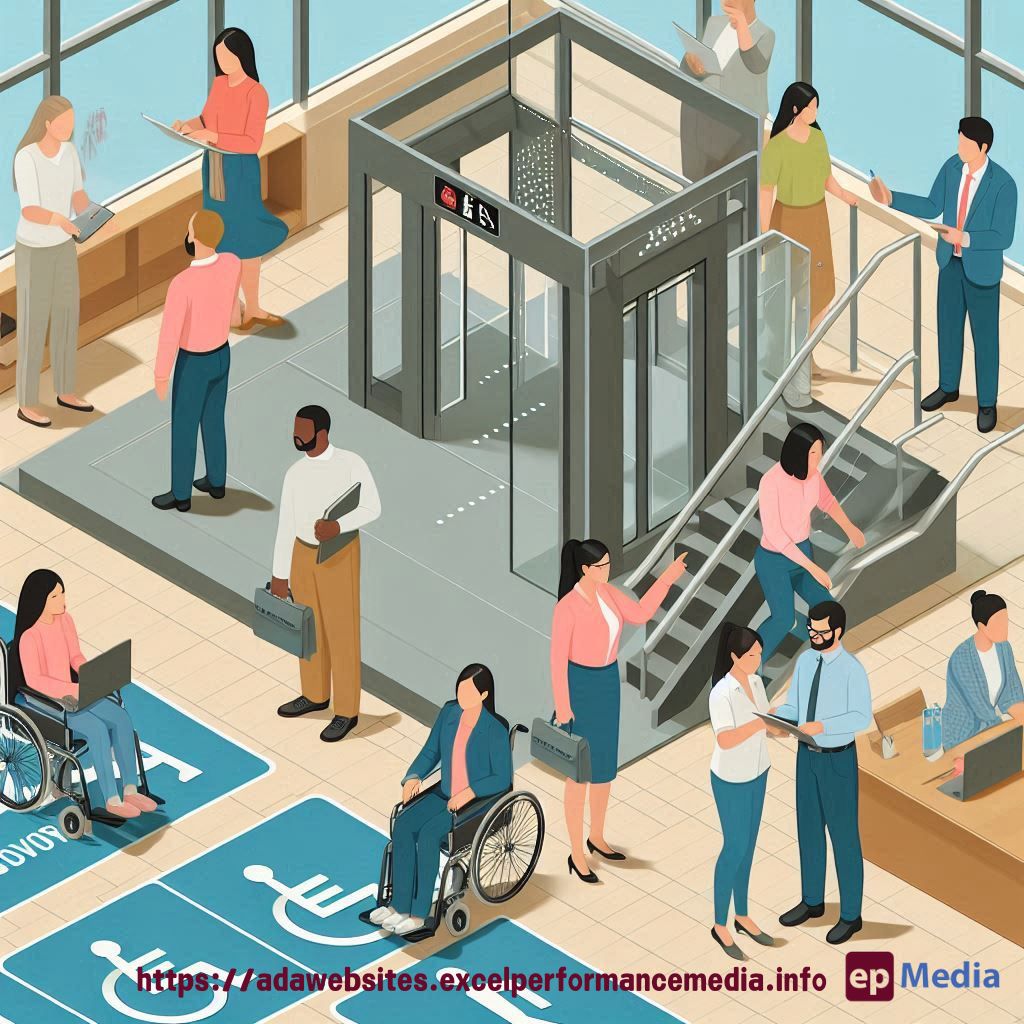
Let’s talk about disability compliance for websites. It’s a big deal, and if you’re not on it, you’re missing out.
Ever wondered why some sites are a breeze to use, while others make you want to chuck your laptop out the window?
It’s all about accessibility, folks.
Why Should You Care About WCAG 2.1?
WCAG 2.1 isn’t just another acronym to ignore. It’s your ticket to making your site work for everyone.
Think about it:
- More users = more potential customers
- Better user experience = happier visitors
- Compliance = avoiding legal headaches
Breaking Down WCAG 2.1
WCAG 2.1 is like a roadmap for making your site accessible. It covers:
- Perceivable: Can everyone see or hear your content?
- Operable: Can users navigate your site easily?
- Understandable: Is your content clear and straightforward?
- Robust: Does your site work across different devices and technologies?
User Testing: The Secret Sauce
Here’s the deal: you can follow all the guidelines, but nothing beats real user testing.
Get people with different disabilities to try your site. Their feedback is gold.
Quick Wins for Disability Compliance
Want to make your site more accessible right now? Try these:
- Add alt text to images
- Use headers to structure your content
- Ensure colour contrast is high enough
- Make sure your site works with keyboard navigation
The Bottom Line
Disability compliance for websites isn’t just a nice-to-have. ADA compliance for websites is essential.
It’s about opening doors, not closing them. And trust me, your users will thank you for it.
FAQs
What is WCAG 2.1?
WCAG 2.1 stands for Web Content Accessibility Guidelines version 2.1. It’s a set of recommendations for making web content more accessible to people with disabilities.
Do I need to implement all WCAG 2.1 guidelines?
Ideally, yes. But start with the basics and work your way up. Any improvement in accessibility is better than none.
How often should I conduct user testing?
Regularly. Aim for at least once a year, or whenever you make significant changes to your site.
Can disability compliance improve my SEO?
Absolutely. Many accessibility practices, like proper heading structure and alt text, can boost your SEO efforts. Our ADA compliance website services can help you in case of further questions.
Remember, disability compliance for websites isn’t just about ticking boxes. It’s about creating a better web for everyone.
https://adawebsites.excelperformancemedia.info/understanding-wcag-2-1/