
Navigating the Web Accessibility ADA Maze: WCAG 2.2 Challenges
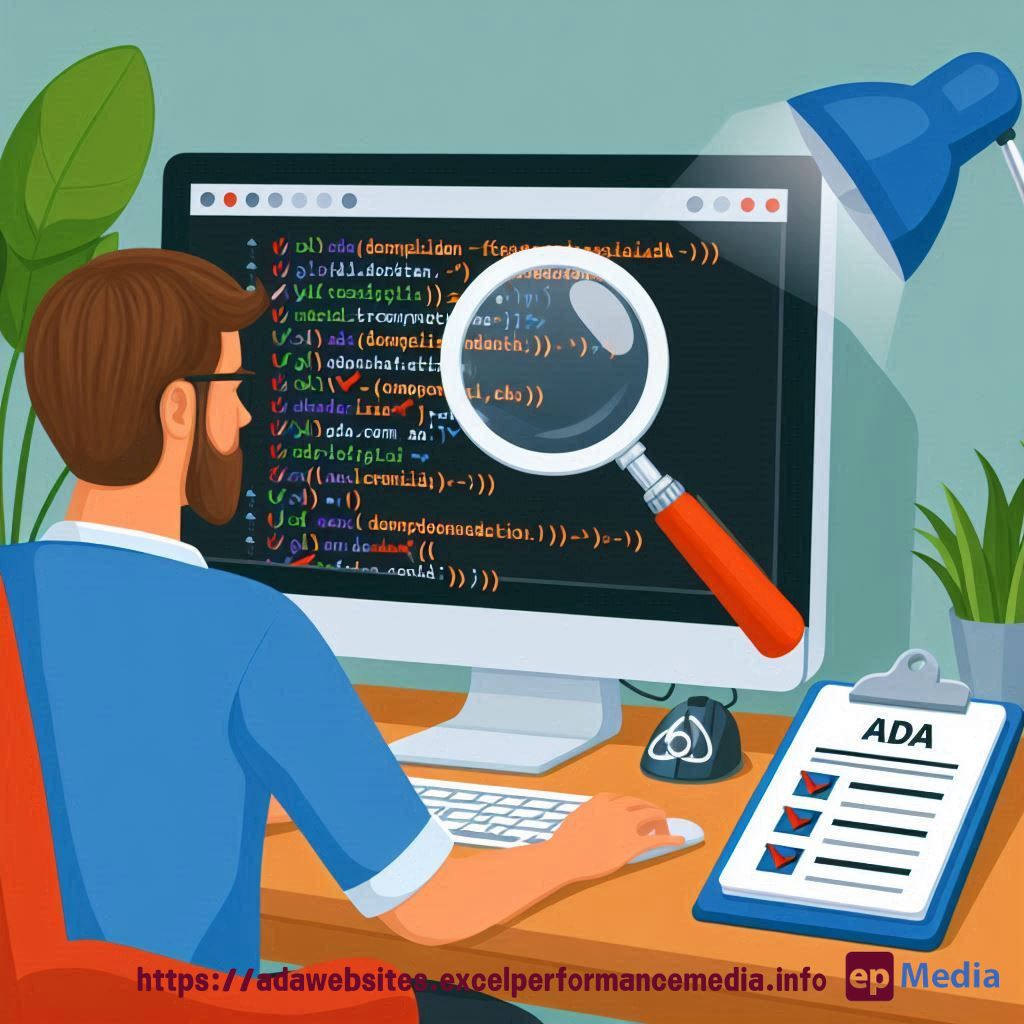
Web Accessibility ADA is a hot topic these days. But let’s be real, it’s not always a walk in the park.
I’ve been in the trenches, and I’ve seen firsthand the hurdles that pop up when trying to make websites tick all the WCAG 2.2 boxes.
Let’s dive into the nitty-gritty of what’s tripping folks up.
The Big Picture: Why WCAG 2.2 Matters
WCAG 2.2 isn’t just another acronym to throw around. It’s the gold standard for making the web a place everyone can use.
But here’s the kicker: it’s not just about being nice. It’s about staying on the right side of the law and tapping into a massive market.
Common Roadblocks on the WCAG 2.2 Journey
1. The Moving Target Problem
WCAG guidelines keep evolving. Just when you think you’ve nailed it, boom! New updates drop and ADA compliance for websites changes once again.
It’s like trying to hit a moving target while blindfolded.
2. The Tech Tangle
Some of the WCAG 2.2 requirements are tech-heavy. We’re talking:
- Complex JavaScript for interactive elements
- Fancy CSS tricks for responsive design
- Backend wizardry for dynamic content
Not everyone’s got a full-stack dev on speed dial.
3. The Content Conundrum
Creating accessible content isn’t just a tech issue. It’s a mindset shift.
Think about:
- Writing clear, simple text
- Describing images effectively
- Structuring content logically
It’s a whole new ball game for content creators.
4. The Legacy Labyrinth
Got an old website? Retrofitting for accessibility can be a nightmare.
It’s like trying to turn a bicycle into a spaceship. Sometimes, starting from scratch is easier.
5. The Testing Tangle
How do you know if you’ve actually hit the mark? Testing for accessibility is its own challenge.
You need:
- Specialized tools
- Real users with disabilities
- A keen eye for detail
It’s not just about ticking boxes. It’s about real-world usability.
Tackling the WCAG 2.2 Beast
So, how do we slay this dragon? Here’s my game plan:
- Start early. Bake accessibility into your design process from day one.
- Educate your team. Everyone needs to be on board, from devs to content creators.
- Use tools wisely. Automated checkers are great, but they’re not the whole story.
- Test with real users. Nothing beats feedback from people who rely on accessible design.
- Stay updated. The accessibility world moves fast. Keep your finger on the pulse.
The Payoff: Why It’s Worth the Hassle
Look, I get it. WCAG 2.2 compliance can feel like a mountain to climb.
But here’s the truth: it’s worth it.
You’re not just avoiding lawsuits. You’re opening your doors to everyone. And that’s not just good karma. It’s good business.

FAQ: The Burning Questions
What exactly is WCAG 2.2?
WCAG 2.2 is the latest set of guidelines for making web content accessible to people with disabilities. It builds on previous versions, adding new success criteria and clarifying existing ones.
Is WCAG 2.2 compliance legally required?
While WCAG 2.2 itself isn’t law, many countries use it as a benchmark for accessibility regulations. In the US, courts often refer to WCAG in ADA-related lawsuits.
How often does WCAG get updated?
There’s no fixed schedule, but updates typically come every few years. WCAG 2.2 was released in 2023, following WCAG 2.1 in 2018.
Can I use automated tools to ensure WCAG 2.2 compliance?
Automated tools are helpful, but they can’t catch everything. They’re great for initial scans, but manual testing and user feedback are crucial for full compliance.
Web Accessibility ADA isn’t just a buzzword. It’s a commitment to making the digital world open to everyone. Sure, WCAG 2.2 throws some curveballs, but with the right approach and with our ADA compliance website services, we can knock it out of the park.
https://adawebsites.excelperformancemedia.info/wcag-2-2-and-future-updates/