
Scan Website For ADA Compliance: The Future of Accessible Web Development
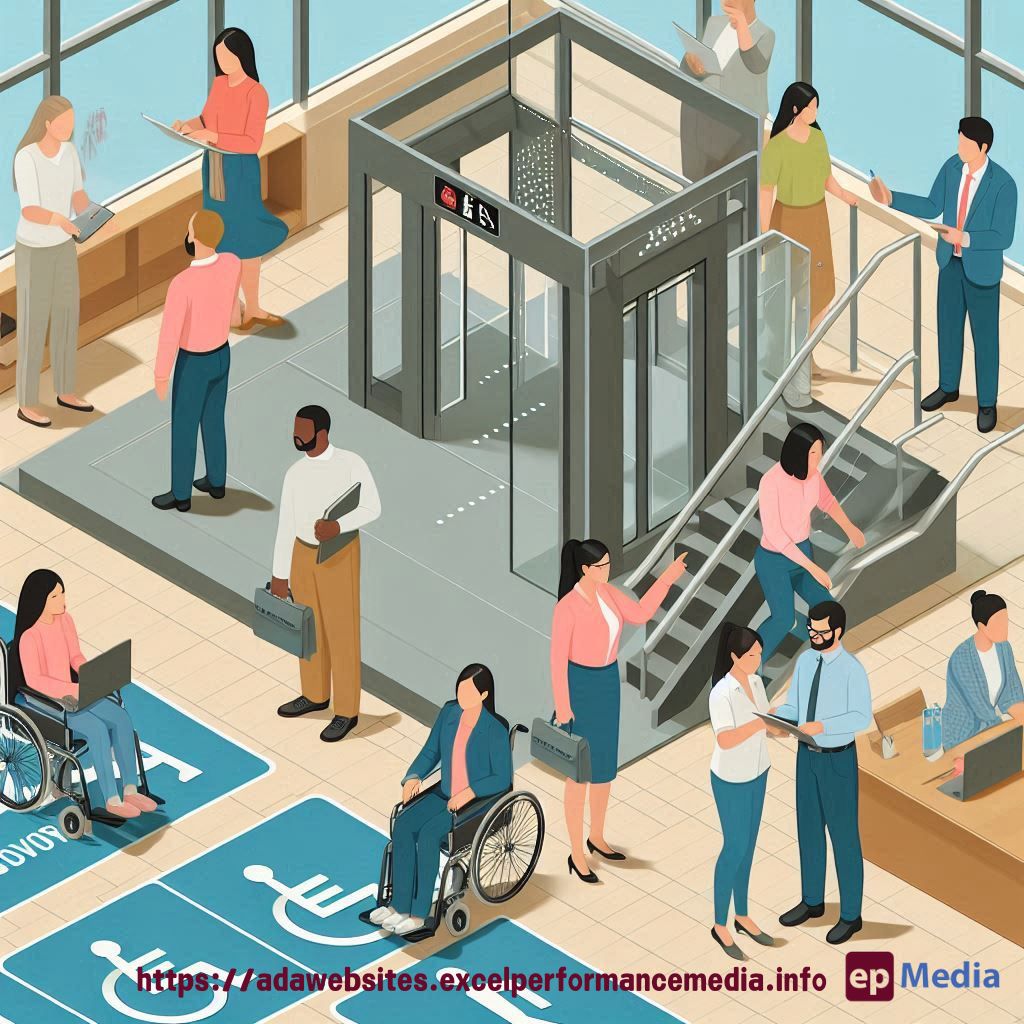
As we look ahead to the future of web development, one thing is clear – accessibility is going to be more important than ever. In today’s digital world, ensuring that your website is compliant with the Americans with Disabilities Act (ADA) is crucial.
But what does that actually mean in practice? And how can you future-proof your website to stay ahead of the curve?
In this post, I’ll share my insights on the key trends in accessible web development, and give you some actionable tips in terms of ADA compliance for websites.
The ADA Compliance Imperative
Let’s start with the basics. The ADA is a federal law that prohibits discrimination against individuals with disabilities. And that means your website needs to be accessible to people with a wide range of physical, cognitive, and neurological conditions.
Think about it – nearly 1 in 4 adults in the US live with a disability. That’s a huge potential audience that you can’t afford to exclude. Plus, making your site accessible isn’t just the right thing to do, it can also protect you from costly lawsuits.
The stakes are high, which is why ADA compliance is no longer a nice-to-have, but a must-have for any business or organization with an online presence.
Key Trends in Accessible Web Development
So, what does the future of accessible web development look like? Here are the top trends I’m seeing:
- Voice-Controlled Interfaces: As voice assistants like Alexa and Siri become more sophisticated, we’ll see a rise in voice-controlled web experiences. This will be a game-changer for users with mobility or dexterity challenges.
- Increased Focus on Cognitive Accessibility: It’s not just about physical disabilities – cognitive accessibility is becoming a bigger priority. Websites will need to cater to users with learning disabilities, ADHD, and other neurological conditions.
- AI-Powered Personalization: Artificial intelligence will play a crucial role in delivering a truly personalized and accessible experience for each user. Think dynamic font sizes, color schemes, and content prioritization.
- Seamless Multimodal Interaction: Users will expect to be able to switch effortlessly between different input methods – from keyboard to voice to touch. Websites that can facilitate this will have a significant advantage.
How to Scan Your Website for ADA Compliance
Okay, so you know the trends – but how do you actually get your website ADA compliant? Here are my top tips:
- Conduct a Comprehensive Audit: Start by running your site through an ADA compliance checker like WAVE or Accessibility Insights. This will help you identify any issues that need to be addressed.
- Optimize Your Content: Ensure that all text, images, and multimedia content is accessible to users with disabilities. This means adding alt text, captions, and transcripts where necessary.
- Enhance Your Navigation: Make sure your site is easy to navigate using just a keyboard. This includes ensuring that all links and buttons are clearly labeled and easy to find.
- Test, Test, Test: Regularly test your site with real users who have disabilities. This will help you uncover any pain points or issues that you may have missed.
FAQ
What is ADA compliance and why is it important?
ADA compliance refers to ensuring that your website is accessible to people with disabilities, in accordance with the Americans with Disabilities Act (ADA). It’s important because it’s the law, and it also helps you reach a wider audience and provide a better user experience for everyone.
How can I scan my website for ADA compliance?
You can use free tools like WAVE or Accessibility Insights to conduct a comprehensive audit of your website and identify any issues that need to be addressed. This can include things like adding alt text to images, ensuring your site is keyboard-friendly, and providing captions for videos.
What are the key trends in accessible web development?
Some of the key trends include the rise of voice-controlled interfaces, increased focus on cognitive accessibility, AI-powered personalization, and seamless multimodal interaction. As technology continues to evolve, we’ll see more and more innovative approaches to making the web accessible for all.
Scan website for ADA compliance is a critical priority for any business or organization with an online presence. By staying ahead of the curve and embracing the latest accessible web development trends, you can future-proof your website or get it done by our ADA compliance website services and deliver an exceptional user experience for all.
https://adawebsites.excelperformancemedia.info/web-accessibility-for-developers/