
Tackling WCAG: The Real Challenges in Making Websites ADA Compliant
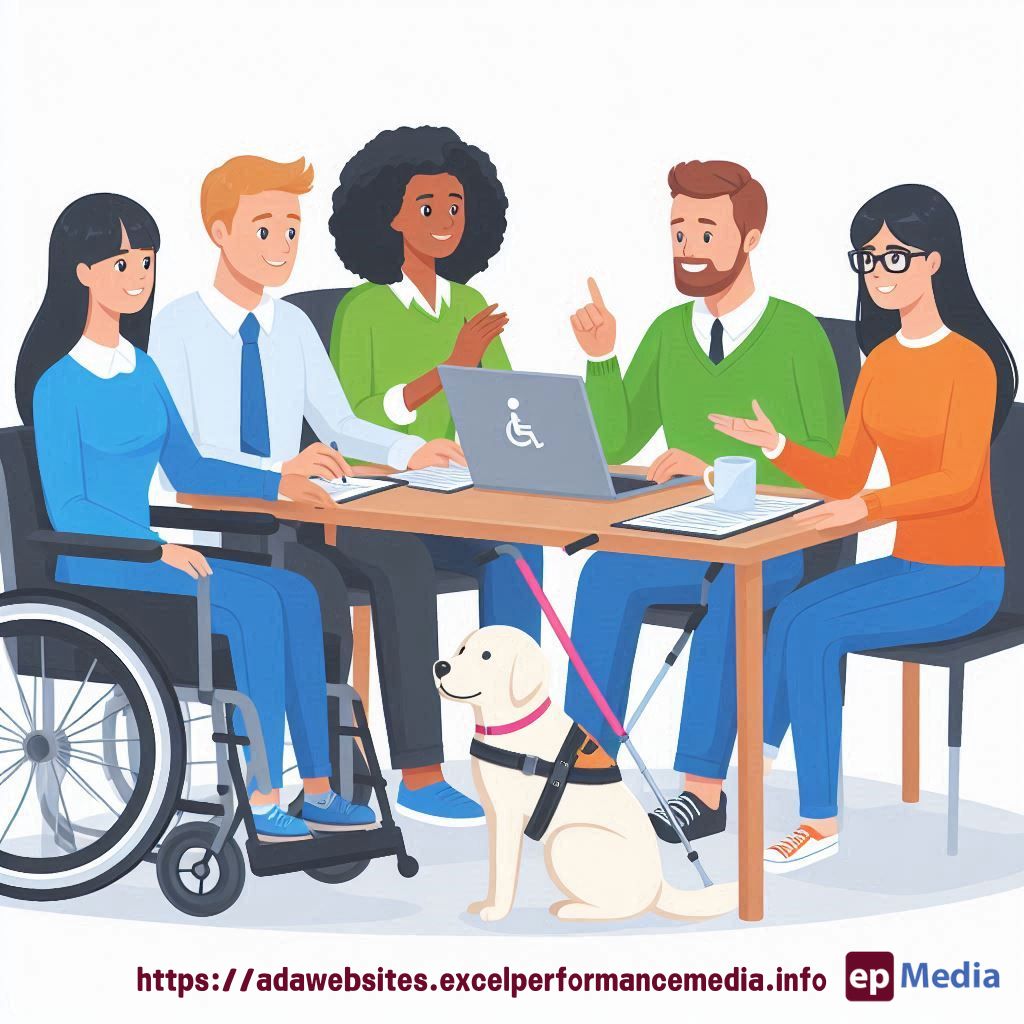
Ever felt like making your website accessible is like climbing Everest in flip-flops?
You’re not alone.
Let’s chat about the real hurdles in implementing WCAG.
No sugar-coating, just straight talk.
The Cost Conundrum: Is It Really Too Expensive?
First thing everyone says: “But it’ll cost a fortune!”
Here’s the deal:
Yes, ADA compliance for websites can be pricey upfront. Initial expenses related to accessibility audits, purchasing necessary tools and overhauling web infrastructure can be substantial; then there’s ongoing monitoring costs; prioritizing accessibility among other operational expenses can prove to be challenging for organizations operating with tighter funds.
But know what costs more?
- Lawsuits (they’re on the rise, trust me)
- Lost customers (because they can’t use your site)
- Damaged reputation (word spreads fast these days)
Think long-term, not just next quarter.
I once saw a company spend £50k on a lawsuit that could’ve been avoided with a £10k accessibility upgrade.
Do the math.
Implementing the World Wide Web Consortium Accessibility Guideline can be financially burdensome for small businesses and non-profit organizations, particularly when budgets are stretched thin.
The Knowledge Gap: It’s Wider Than You Think
Let’s be real:
Most devs aren’t accessibility experts.
It’s not their fault.
Schools rarely teach this stuff.
Result?
Accessibility becomes an afterthought.
A quick fix.
That never works. One major impediment to WCAG implementation is the knowledge gap among web developers, designers and content creators. Many professionals lack formal training in accessibility, leading to an absence of expertise in this area. To bridge this education gap and ensure employees understand how to create accessible web content efficiently and cost-effectively requires intensive training programs; however, planning these can be resource intensive and time consuming.
The Moving Target: WCAG Keeps Evolving
WCAG isn’t static.
It changes.
What was compliant last year might not cut it now.
It’s like trying to hit a moving target.
While blindfolded.
On a unicycle.
Keeping up is a full-time job. Rapid technological progress presents organizations with an ongoing challenge. When new web technologies and platforms emerge, ensuring their accessibility in accordance with WCAG can be daunting. Furthermore, as WCAG itself evolves (from 2.0 to 2.1 and eventually 3.0), organizations must adapt quickly to stay compliant – often necessitating continued education efforts as well as technical adjustments.
The Design Dilemma: “But It’ll Ruin Our Look!”
Heard this one before?
“Accessibility will make our site ugly!”
Newsflash:
If your site’s only pretty for some, it’s not really pretty at all.
Good design is accessible design.
Period.
The Legacy System Nightmare
Got an old website?
Retrofitting for WCAG can be a nightmare.
It’s like trying to put airbags in a Model T Ford.
Possible? Yes.
Easy? Hell no. Organizational inertia and lack of prioritization can stifle WCAG implementation. Leadership may misunderstand or underestimate digital accessibility’s importance; without strong advocacy from top management, accessibility initiatives may struggle to secure sufficient support and resources. Furthermore, integrating accessibility into an organization’s existing workflows or development processes may disrupt established ways of working which may result in staff becoming resistant.
The Overlay Trap: Quick Fixes Aren’t Really Fixes
Overlay tools promise instant accessibility.
Sounds great, right?
Wrong.
They’re like putting a plaster on a broken leg.
Might look okay, but it doesn’t solve the real problem.
The Testing Tangle: How Do You Know If You’re Really Compliant?
Automated tools miss stuff.
Manual testing takes forever.
User testing? That’s a whole other beast.
It’s like trying to solve a Rubik’s cube in the dark.
The Content Creator Challenge
Your devs might get it.
But what about your content team?
Alt text, headings, link text…
It’s a whole new language for them.
Training takes time.
And money.
Mobile Mayhem: A Whole New Ball Game
Mobile accessibility is its own monster.
Different screen sizes.
Touch interfaces.
Limited space.
It’s like solving a jigsaw puzzle with half the pieces missing.
Nothing but obstacles in implementing WCAG with its technical complexity. Web developers must possess an in-depth knowledge of accessibility principles and how they apply to web design and development; this often necessitates possessing specific expertise in HTML, CSS, JavaScript and assistive technologies. Furthermore, as websites grow with new content and features over time, maintaining compliance requires constant updates which may prove technically demanding.
Third-Party Trouble: When Others Mess Up Your Hard Work
Your site might be perfect.
But that cool widget you just added?
It could wreck your accessibility in seconds.
It’s like inviting a bull into your china shop.
FAQs
Q: Can I just focus on one type of disability?
A: Nope. WCAG covers all types. You need to think broad.
Q: How often should I check for compliance?
A: Regularly. At least with every major update or new content.
Q: Is there an official WCAG certification?
A: Not really. Be wary of companies claiming to “certify” you.
The Bottom Line
Implementing the Web Content Accessibility Guidelines (WCAG) offers many advantages for organizations; however, organizations also face numerous barriers when trying to implement it. Overcoming these hurdles requires concerted effort that involves technical expertise, financial investments, organizational commitment and comprehensive education efforts – only through these means can the goal of universal digital accessibility be realized.
Another difficulty lies in the disparate interpretation and enforcement of WCAG across different regions and industries. While certain countries have legal mandates that incorporate WCAG into legislation, others do not, leading to inconsistent application of and enforcement of these guidelines across borders and industries – for multinational organizations this can make regulatory compliance especially complex.
Implementing WCAG for websites and ADA compliance isn’t a walk in the park.
It’s more like a marathon.
Through a minefield.
In the rain.
But here’s the thing:
It’s worth it.
For your users.
For your business.
For the future of the web.
So, are you ready to face these challenges head-on?
Remember, the biggest challenge is not starting at all.
Don’t be that guy. ADA compliance website services will get you started.
Let’s make the web work for everyone.