
WCAG and SEO: The Dynamic Duo Your Website Needs
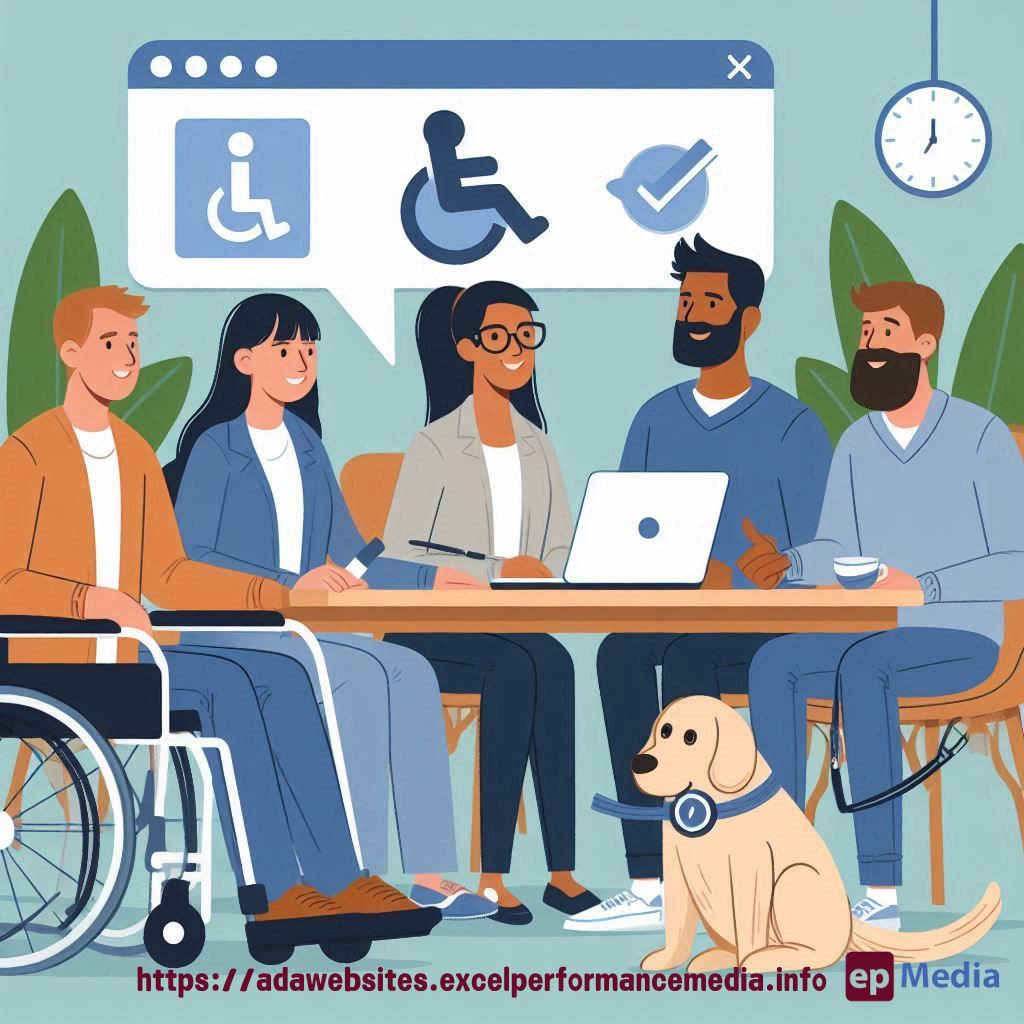
Ever feel like you’re juggling too many balls with your website?
WCAG on one side, SEO on the other?
What if I told you they’re actually best mates? Web Content Accessibility Guidelines (WCAG) and Search Engine Optimization (SEO) are two vital aspects of website development that, when combined together, can significantly enhance both user experience and search engine rankings. While WCAG seeks to make web content accessible for individuals with disabilities, SEO works to boost visibility within search engine results pages; understanding their intersection reveals how inclusive web design can also boost performance on search engines.
Let’s chat about how WCAG and SEO team up to boost your websites and ADA compliance.
The Unexpected Alliance: WCAG Meets SEO
Here’s the deal:
Google’s got a crush on accessible websites.
Why?
Simple: What’s good for users is good for search engines.
ADA compliance for websites is like killing two birds with one stone.
Alt Text: The Unsung Hero
You know those image descriptions for screen readers?
They’re SEO gold.
Here’s the scoop:
– Google can’t “see” images
– Alt text is like whispering what’s in the picture to Google
– Good alt text can get you ranking in image search
I once saw a site double its image traffic just by nailing alt text.
No joke.
Headings: Your Content’s Sat Nav
Proper heading structure isn’t just for show.
It’s like a roadmap for your content.
For users: Easy navigation
For Google: Clear content hierarchy
Get this right, and watch your rankings climb. Utilizing H1, H2, and H3 heading structures to organize content not only aids screen readers in better navigating pages but also assists search engines in better comprehending its hierarchy and relevance. Clear and descriptive headings can improve indexing and ranking of websites.
Link Text: Say No to “Click Here”
“Click here” links?
Rubbish for screen readers.
Rubbish for SEO.
Instead, try:
– “Check out our summer sale”
– “Learn about our eco-friendly packaging”
Your users (and Google) will love you for it. Websites that are easier to use and user-friendly tend to retain visitors longer, reduce bounce rates, and increase engagement – all positive signals to search engines. Implementation of WCAG guidelines may thus lead to improved SEO results by increasing overall user satisfaction.
Transcripts and Captions: Content Goldmine
Got videos or podcasts?
Add transcripts and captions.
Here’s why it’s brilliant:
– Deaf users can enjoy your content
– Search engines can read your media
– You get a ton of extra, keyword-rich content
It’s like getting three for the price of one. Accessible websites should be designed so they are easily navigable by everyone – including those with disabilities – including providing text alternatives for non-text content, ensuring keyboard navigability and creating content which can easily be understood and interacted with by those of diverse abilities. Such practices enhance usability for all visitors – an essential factor for SEO success.
Clean Code: Not Just for Geeks
Tidy, semantic HTML isn’t just developer porn.
It’s crucial for:
- Screen readers (easy to understand)
- Search engines (clear structure)
- Users (faster loading)
Messy code can tank your rankings faster than you can say “404 error”.
Structured Data and Metadata
WCAG guidelines promote clear and meaningful metadata and structured data to assist users in better comprehending content. This practice aligns with SEO best practices where structured metadata enables search engines to index and display pages more effectively; using ARIA (Accessible Rich Internet Applications) landmarks may improve accessibility while giving search engines additional clues as to the structure and function of web content.
Mobile-First: Not Just a Buzzword
Google’s obsessed with mobile.
So is WCAG.
Make your site mobile-friendly and accessible?
You’re ticking boxes left, right and centre. The Web Content Access Guidelines (WCAG) highlight the significance of accessible design across all devices, including mobile. Ensuring web content is responsive and works well across different screen sizes is also key to SEO as search engines such as Google use mobile-first indexing as their primary ranking factor – meaning the mobile version of any given website becomes the priority version for ranking purposes.
Speed: Because Who Likes Waiting?
Slow sites are like cold tea.
Nobody wants that.
WCAG says sites should be operable.
Google says sites should be fast.
See where I’m going with this? Faster Load Times! WCAG promotes efficient coding practices to make content easily and reliably available, such as optimizing images, using clean HTML markup, and minimizing script usage to speed up page load times. Page speed plays an integral role in SEO because search engines rank websites that load quickly as more user-friendly.
Readability: Keep It Simple, Stupid
Simple language isn’t dumbing down.
It’s smart.
It helps people with cognitive disabilities.
It helps search engines understand you better.
Win-win.
Keyboard Navigation: The Silent SEO Booster
Making your site keyboard-friendly?
You’re also rolling out the red carpet for Google’s crawlers.
It’s like giving them a VIP pass to your content.
FAQs
Q: Does WCAG compliance automatically mean better SEO?
A: Not exactly, but it’s a massive head start.
Q: Can I focus on SEO and ignore WCAG?
A: You could, but you’d be shooting yourself in the foot.
Q: Is it expensive to implement both WCAG and SEO?
A: It can be an investment, but the returns are worth it.
The Bottom Line
WCAG and SEO aren’t just about ticking boxes for websites and ADA compliance.
Aligning WCAG and SEO practices offers dual benefits: improving accessibility for people with disabilities while simultaneously increasing search engine rankings. By adhering to WCAG guidelines, web developers can design more inclusive digital experiences that also appeal to search engines – which not only ensure compliance with accessibility standards but also increase traffic and engagement on a website.
WCAG and SEO are about creating a better, more inclusive web.
For everyone.
Including search engines.
So, are you ready to unleash this dynamic duo on your site?
Remember: In the digital world, being seen and being accessible go hand in hand.
Don’t settle for less.
Need help?
Feel free to deploy our ADA compliance website services.
Your users, your rankings, and your conscience will thank you.